Trusted by the organisations that manage critical assets.
See how organisations reduce risk and gain lifecycle certainty with Trendspek.













See how organisations reduce risk and gain lifecycle certainty with Trendspek.
Site inspections carry real exposure. Working at heights, rope access, confined spaces. That risk is known and managed.
What is less visible is what happens to the evidence after the field work is done. Often a PDF, a folder of photos, and a report no one can find six months later.
When the record is weak, everything downstream suffers.
Capital misallocated across the portfolio
Late surprises that blow budgets
Deferrals that become indefensible
No way to tell if a defect appeared last month or 3 cycles ago
Admin that grows as teams chase reports and versions
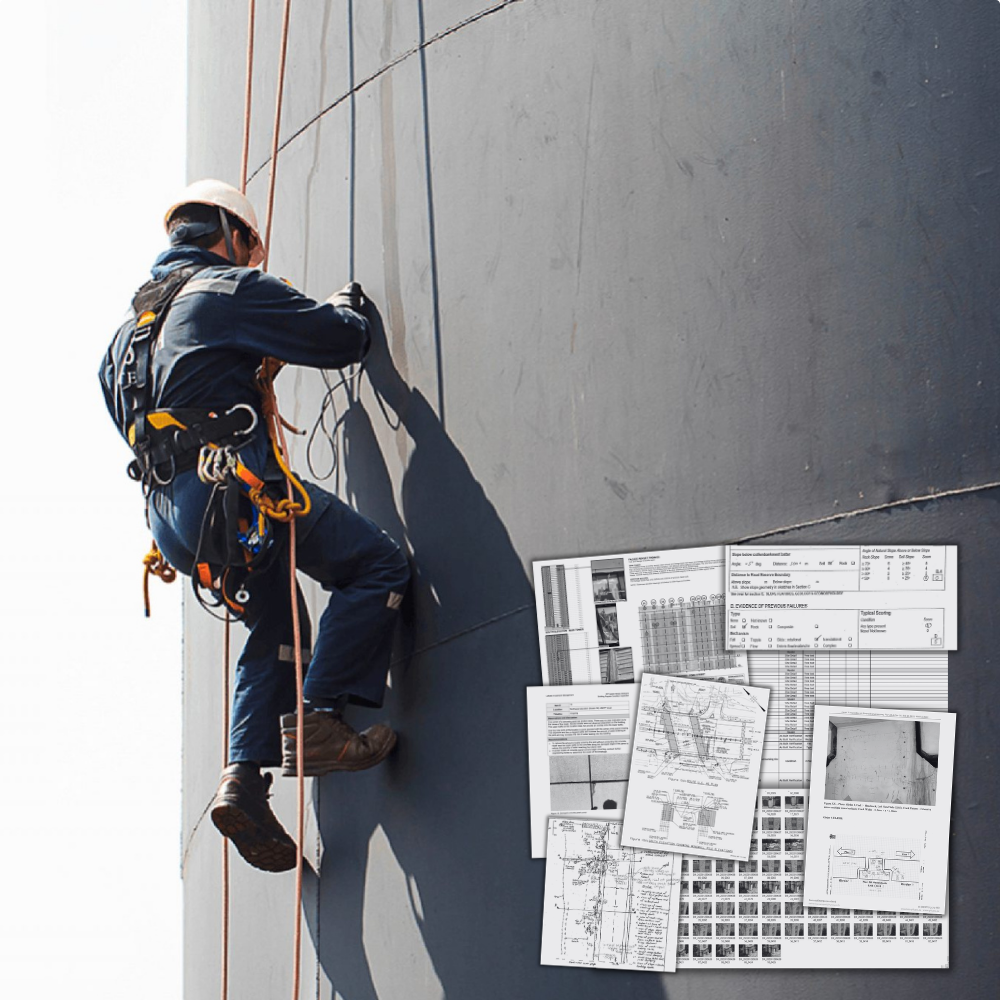
Findings, decisions, and history stay connected to the asset. Structured, searchable, and comparable the next time you need them.
The record is the product. Evidence, findings, decisions and history stay connected to the asset. That is what creates defensible records and portfolio consistency.
Traceable history and audit trail
Consistent structure across contractors
A baseline you can compare year on year
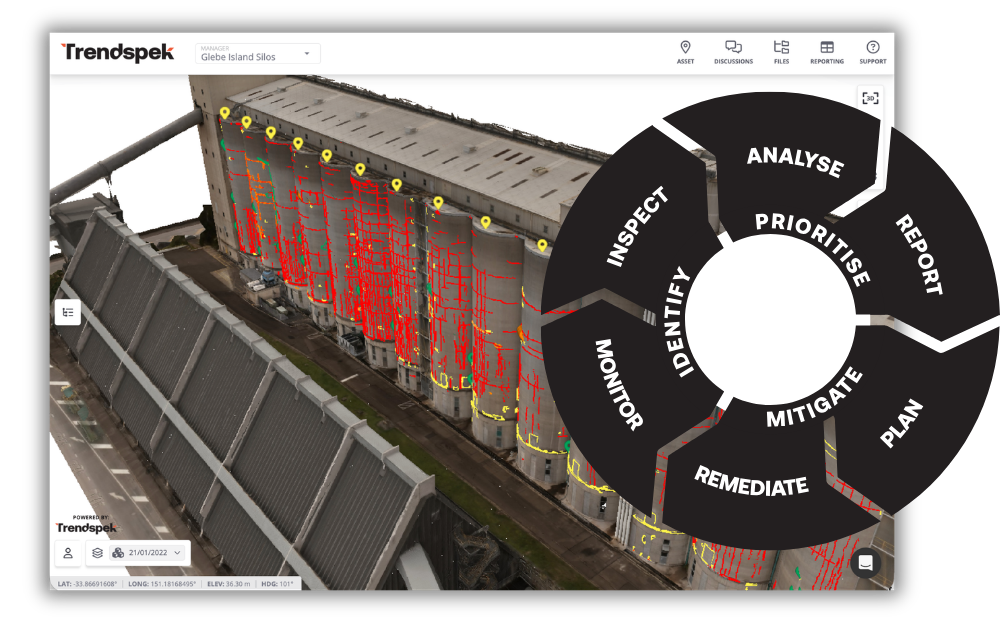
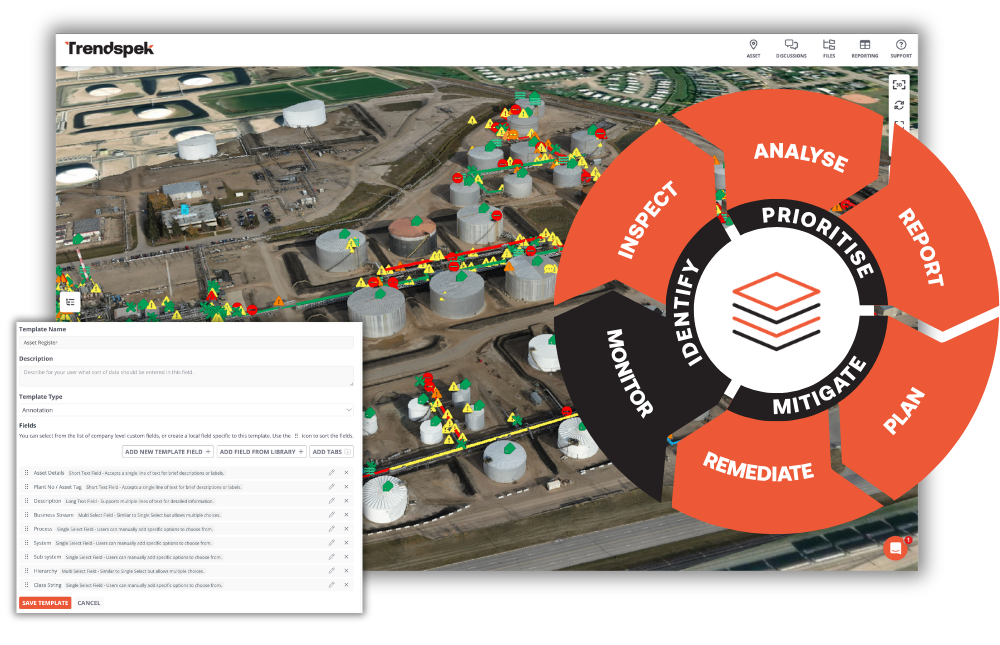
Capture evidence once, with consistent mark-up and templates. Keep context attached to the asset, not buried in files.
Standard templates and tagging
Less rework between inspectors
Faster reviews with fewer site returns
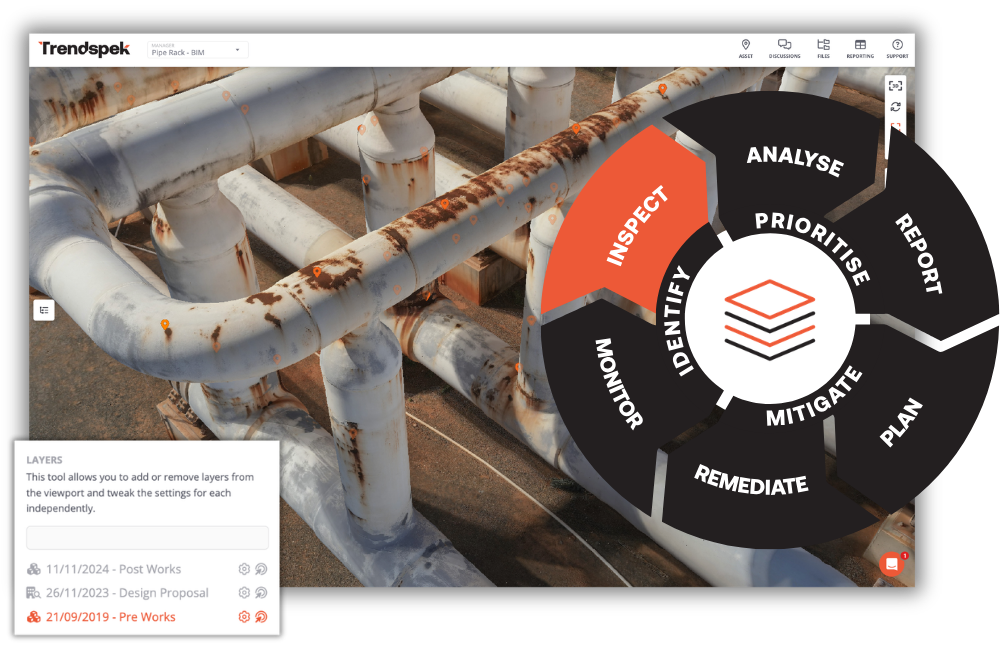
Standardise how defects are classified and prioritised. Reports become a by-product of the record, not the record itself.
Comparable defect classifications
Clear prioritisation for risk and spend
Less rewriting and version confusion
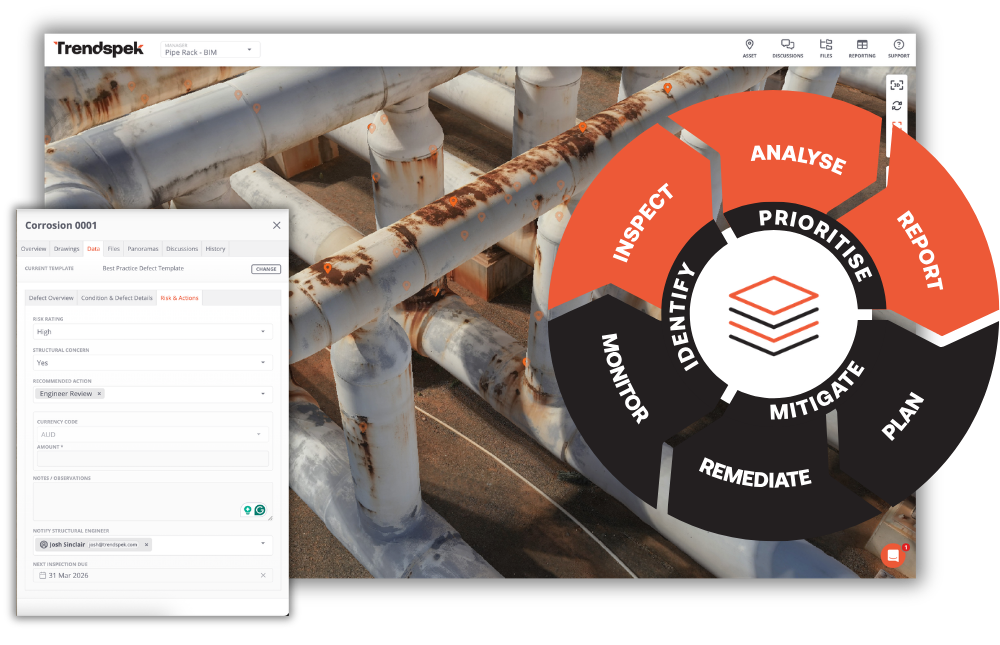
Build remediation scope and capital works plans directly from evidence. Keep decisions linked to what was observed and agreed.
More accurate scopes and quotes
Fewer late surprises during delivery
More defensible deferrals and prioritisation
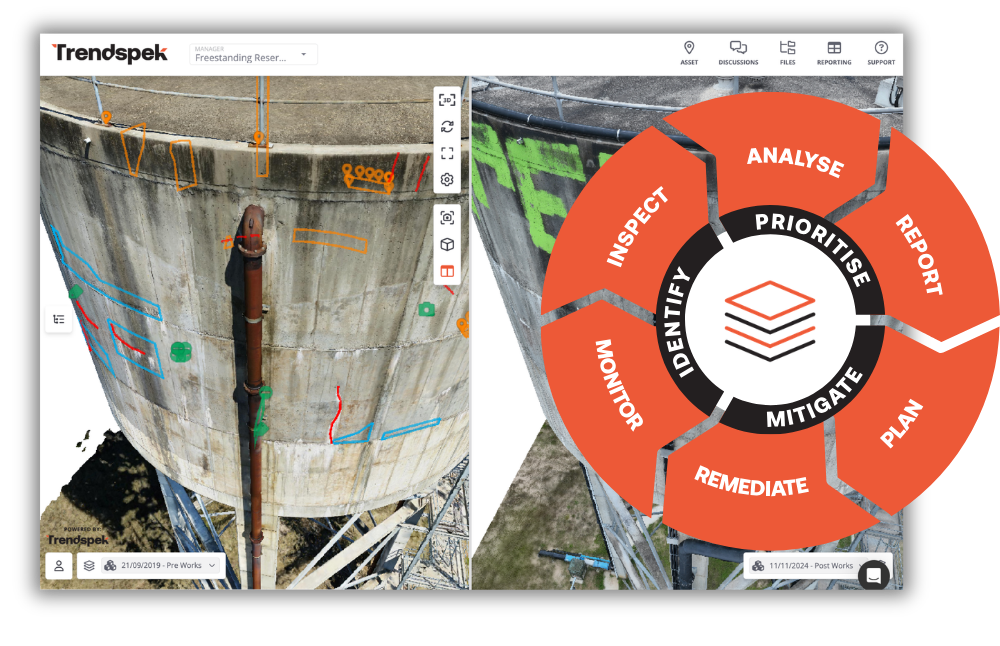
Track change over time. Validate repairs. Use trends to time spend across assets and portfolios.
Proof of post-works and change history
Trend views you can trust
Earlier intervention where risk is rising
Most organisations sit between Status Quo and Stage 1. A few have elements of Stage 2 and 3.
Status Quo
PDFs, site visits, fragmented records
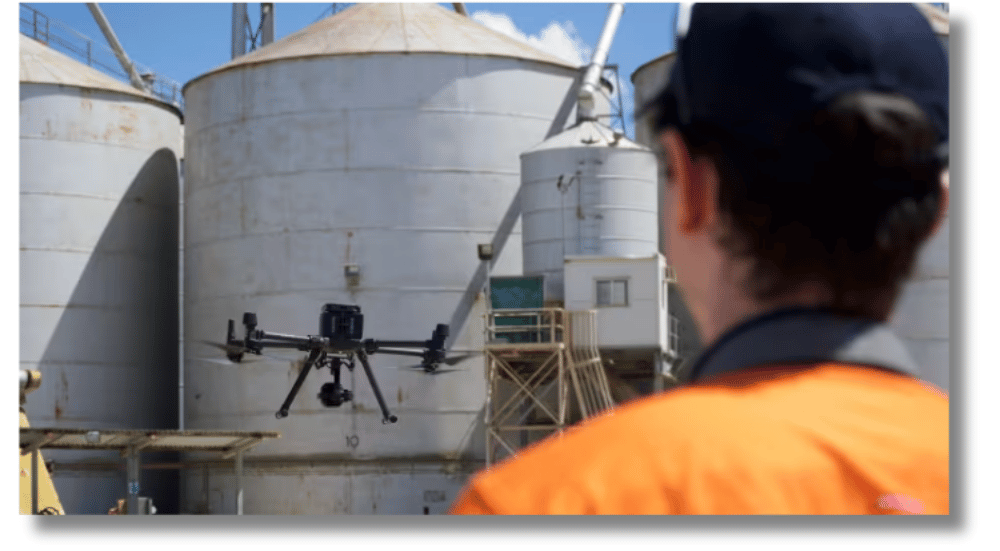
Drones and capture begin. Data still siloed.
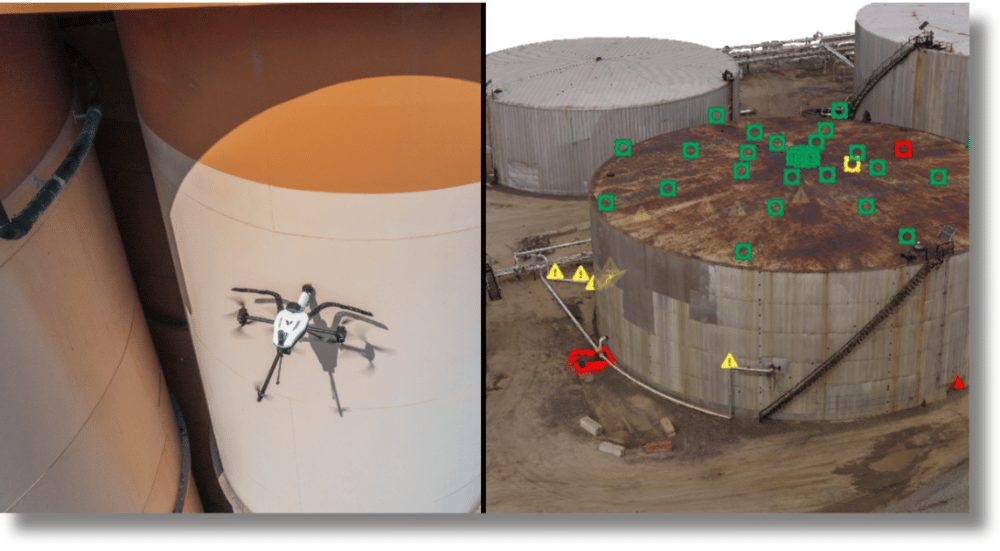
3D inspections. Consistent templates.
Scope and tender from the model.
Repeat cycles. CAPEX driven by trends.
SLMS connects CMMS, ERP, BI, and AI.
The most common starting point is Stage 1: getting inspections digital, templates consistent, and engineers reviewing remotely. From there, planning and monitoring follow naturally.
Capital allocated to what is visible, not what is critical
Decisions made on partial records and assumptions
Knowledge walks out the door with key staff
Executives struggle to defend decisions under scrutiny
Capital planned from portfolio-wide risk and condition
Decisions backed by full coverage, high-fidelity evidence
Knowledge captured as structured, auditable records
Executives reference defensible records for any decision
Risk is not just the defect. It is the gap between what was seen, what was decided, and what was delivered.
Evidence becomes consistent, accessible, and comparable between cycles. The decisions that used to rely on memory and judgement become defensible to a board, an insurer, or a regulator.
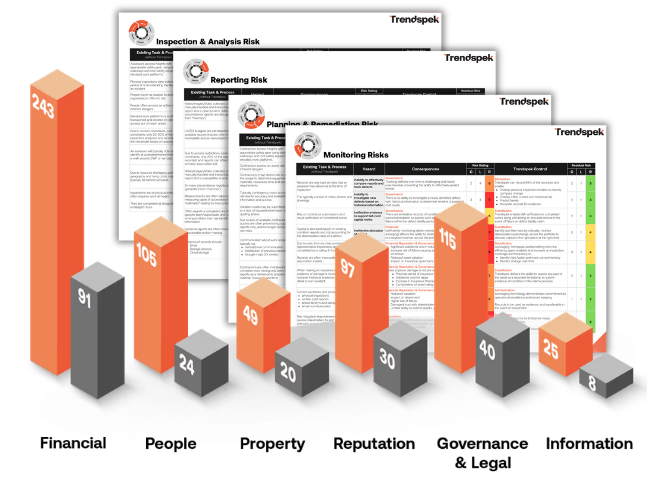
Capital misallocation, unplanned spend, budget overruns
Defensibility under scrutiny, compliance, audit trail
Incident exposure, unsafe site conditions, accountability gaps
Failure visibility, stakeholder trust, public accountability
Asset deterioration, undetected defects, capital timing
Record fragmentation, knowledge loss, inconsistent data

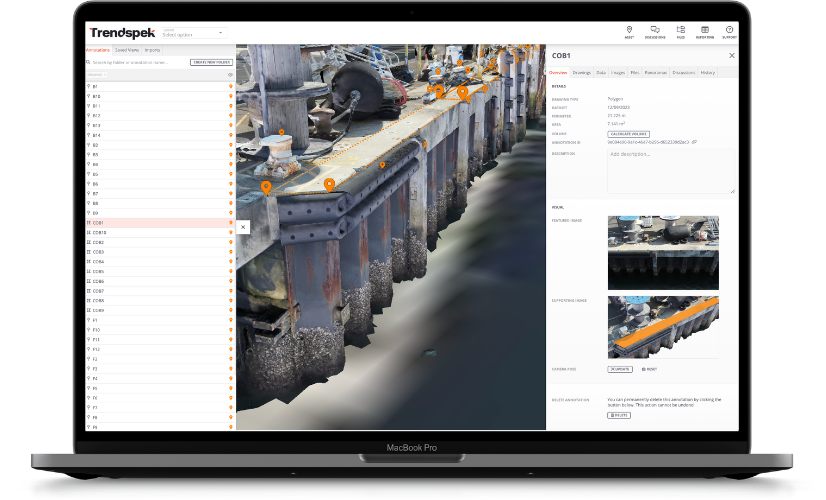
Site imagery and findings land in one structured record. Nothing gets lost.

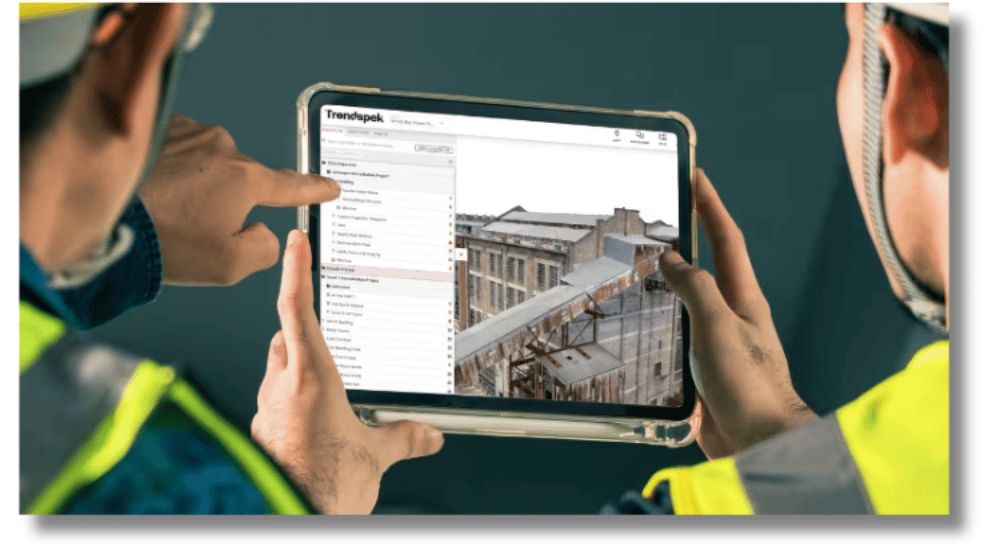
Engineers review in 3D, apply templates, and create work packages from evidence.

Track progression, validate repairs, and use trend evidence to time CAPEX.
NSW Ports manage some of Australia's busiest trade gateways. Wharves, jetties, and bulk liquid pipelines in tidal zones previously only accessible by boat.
A third of the cost per full jetty inspection
Months reduced to weeks across inspection timelines
Contractors review the site remotely before setting foot on it
Before and after comparisons validate remediation without repeat site visits
Trendspek does not replace engineers, consultants, or service partners. Everyone works from the same evidence record.
Work lands cleanly. Decisions are traceable. Governance holds.


We understand that every portfolio is different.
Our team will help you map your journey, quantify the risk and ROI, and show what good looks like for your portfolio.

A Structural Lifecycle Management System is a shared digital record for asset condition, risk and capital decisions. Instead of inspections producing PDFs that sit in folders, they produce structured evidence that stays connected to the asset — so every team makes decisions from the same source of truth.
Trendspek uses configurable templates and access controls. Each consultant works in the same environment with the same defect classifications and tagging structure. The owner retains control of the record regardless of which contractor did the work.
At Stage 4, Trendspek connects to CMMS, ERP, and BI platforms. API documentation is available and our team works with your IT to map asset IDs and data flows before any integration begins.
Most teams have a working pilot on a subset of their portfolio within 4 to 6 weeks. We start with your existing assets and current workflows. Nothing needs to be rebuilt from scratch.
Most organisations start at Stage 1: digital inspections with consistent templates and remote review. The diagnostic takes 3 minutes and places you on the maturity model so you know exactly where to begin.
AI supports defect detection and change flagging at Stage 5. Every AI output is shown in context alongside the evidence it was derived from. Engineers review and validate — AI does not make decisions, it surfaces information for the people who do.